There are
numerous age related changes that older adults encounter. The
perspective of this document is based on the older adult as a geriatric
patient. The biological theories of aging are based on a multitude of
influences. DNA and genetics create our cells activities. The
environment and our body’s reactions to it also determine cellular
changes. The accumulation of free radicals is an example of this. Basic
wear and tear on our bodies systems is another. Stress also impacts all
of these mechanisms. Disease, nutrients (or lack thereof), chemicals
and radiation are all components within the environment that impact
aging on our physical, emotional and complete biological entities.
There is not a system within our bodies that is not affected by the aging process. These changes occur on a cellular level, little by little, over time-adding up to major system deterioration. Cell reproduction is astronomical during the years of childhood and as young adults. Cellular growth and division diminishes as we age. (One exception of this is cancer, which in uncontrolled cellular growth and division). As we age, there are fewer efficient cells, due to an overall reduction in reproduction of new cells. This reduction of rejuvenation on the cellular level affects all body systems and accelerates the aging process.
There is not a system within our bodies that is not affected by the aging process. These changes occur on a cellular level, little by little, over time-adding up to major system deterioration. Cell reproduction is astronomical during the years of childhood and as young adults. Cellular growth and division diminishes as we age. (One exception of this is cancer, which in uncontrolled cellular growth and division). As we age, there are fewer efficient cells, due to an overall reduction in reproduction of new cells. This reduction of rejuvenation on the cellular level affects all body systems and accelerates the aging process.
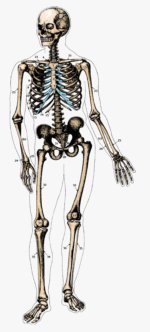
Normal age related changes of the geriatric patient
VISION~ Overall vision is diminished on many levels. There is decreased elasticity of the lens, known as presbyopia. The pupil becomes less responsive. There are changes in the vascular component of the eyes. This can lead to macular degeneration. Other diseases of the eyes that older adults are prone to are: Cataracts; which is a clouding or thickening of the lens. Glaucoma; which is an increased intraocular pressure that results in decreased vision. Normal degeneration and changes in vision due to age are decreased peripheral vision, decreased depth perception, decreased tears, decreased dark adaption and increased sensitivity to light.
HEARING~ Presbycusis is hearing loss that is progressive due to normal aging. There are multiple physiological reasons for these changes. Decreased blood supply, flexibility of the ear membranes is reduced and the ganglion cells needed for hearing are reduced. Sensorineural hearing loss is an irreversible bilateral loss where sound waves reach the inner ear but from there are not transmitted to the brain properly. This type of hearing loss is more related to age. Conduction deafness is the opposite. The hearing loss is a result of the mechanics of the outer ear. This is more of a pathologic condition, still common in the older population.
TASTE and SMELL~ There is some discrepancy whether or not loss of taste buds is a normal aging process. Taste buds literally decrease with age (Lippincott 2010). Contrary to this: “There is atrophy of the tongue with age that can diminish taste sensations, although there is not conclusive evidence that the number or responsiveness of taste buds decrease” (Eliopoulos, 2005 pp 62). There is a definite link between losses of taste in correlation to loss of smell. In order to taste, it is known that we must smell. There are cells of the olfactory bulb that are responsible for the transmission to the brain that we smell something. The cells of the olfactory bulb diminish in number with age, reducing smell and thus reducing taste.
TOUCH~ There is an overall decrease of all tactile sensations. Elderly patients have a diminished sensitivity to temperatures, pain and pressure. All of these cause safety concerns. Kinesthetic sense is also reduced. This “6th sense” allows us to perceive our position in space and aids us in ambulation, balance and response time, providing a steady gait. There is thinning of all three layers of skin with loss of thermoregulation, less oil gland production and reduced sensation.
NERVOUS SYSTEM ~ The nervous system is linked to every other system in the body. Because of this, it is difficult to assess if changes in the body are directly related to the nervous system or the result of diminished capacity of other systems. Microvascular changes of white matter of the brain along with mild brain atrophy are a normal aging process. Nervous system conduction also diminishes with age.
CARDIOVASCULAR SYSTEM~ Muscles in the body loose contractility and strength. The heart muscle fibers are no different. Cardiac disease intensifies this effect. The heart fibers become more rigid and the heart muscle enlarges and becomes less productive. Cardiac output ultimately is reduced. Aerobic capacity is hampered with oxygen consumption declination. The heart takes longer to recover from stressful situations causing a cascade effect and a less effective pump. The vascular systems loses elasticity causing an elevation in baseline blood pressure which negatively affects all body systems.
PULMONARY SYSTEM~ There are multiple aging factors within the respiratory system that result in decreased strength of cough and decreased clearance of mucous. This includes a decrease in the expelling of harmful bacteria, putting the elderly at higher risks of pneumonia. This is caused by weaker, more rigid thoracic muscles and decreased cilliary action. The alveoli become fewer in number, decreasing the O2/CO2 exchange. All of the body systems effect the other systems and this is more pronounced as we age. An example of this is the skeletal system. The ribs and spine become more brittle. This brittleness along with spinal kyphosis causes an increase in chest diameter which decreases the lungs effectiveness.
MUSCULOSKELETAL SYSTEM~ The skeleton becomes demineralized and bone mass is also reduced with advancing age. The production of new bone slows. Brittle bones are more susceptible to trauma. Cartilage is decreased in the joints causing less mobility and increased pain. Tendons harden which diminishes reflexes. Joints become enlarged and curvature of the spine is common, causing loss of height. Muscle mass is reduced and becomes more rigid. Inactivity exponentially increases the effects of aging on the bones and muscles.
GENITOURINARY SYSTEM~ The bladder muscles lose elasticity and the bladder has decreased urine capacity. This creates frequency, urgency and nocturia. Retention is more common which increases urinary tract infections. The kidneys experience a reduction in new cell and tissue growth causing loss of renal mass. This loss of mass decreases renal blood flow and glomerular filtration is drastically reduced. The aging effects on the kidneys have a cascade effect on the cardiovascular system. Electrolyte imbalances due to poor renal perfusion alter the body’s vascular systems and ultimately have negative effects on blood pressure. In turn, labile blood pressures further deteriorate the renal system.
