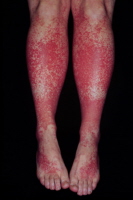
Henoch-Schönlein Purpura
Henoch-Schönlein Purpura (HSP) is a multifaceted disease caused by an internal inflammatory response centralized in particular microvascular systems of the body. The disease is an overzealous auto-immune response that attacks a multitude of systems within the body. HSP is generally considered a childhood disease as the onset is most commonly seen in 2 to 15 year old children. More than 90 percent of HSP cases occur in children younger than10 years of age (Reamy & Lindsay 2009). I chose to research HSP as I have personal experience with the disease from the perspective of a nurse as well as a mother. My daughter, 8 years old at the time, was diagnosed with HSP in the winter of 2010.
Johan Schönlein, in 1837, described the two symptoms of purpura and joint pain. One of Schönlein’s pupils, Eduard Henoch noted the association of abdominal pain and kidney involvement in 1868. Although the disease was identified earlier, its name was changed to Henoch-Schönlein purpura (Sinclair 2010). The exact etiology of HSP is still not well understood. HSP is considered an autoimmune disease resulting in an overproduction of Immunoglobulin A (IgA), a is a naturally occurring antibody within the human body. IgA aids in the antibody protection of the many mucosal regions of the body. IgA is the main immunoglobulin found in mucous secretions within the genitourinary tract, gastrointestinal tract and respiratory epithelium. The IgA proteins become over abundant in the small vessels of the body, namely in the mucosal regions. This impacts the microvascular systems of the dermis, skeletal joints, intestines and the kidneys. In a normal functioning system, the immune cells relax after they rid the body of an infection. In HSP, the immune cells continue to attack normal cells. There are numerous events that trigger this overactive immune response. The disease is most often preceded by a typical upper respiratory infection. “This theory is also based on the fact that, in many cases, HSP symptoms recur or worsen during upper respiratory infections” (http://kidney.niddk.nih.gov/kudiseases/pubs/HSP/ ). Other causes are linked to viral infections, vaccinations, allergic reactions to toxins, chemicals or foods, insect bites and even cold weather. In some cases, no link is found.
The three main symptoms of HSP are non-thrombocytopenia purpura, abdominal pain and arthritis. Purpura is the focal symptom used for diagnosis of the disease. Purpura presents as a rash appearance that starts out as red petechiae that becomes purple giving the appearance of bruising. The cause of this rash is blood leaking from the microvascular systems under the skin. “Purpura is defined as nonblanching cutaneous hemorrhages that are greater than 10 mm in diameter” (Reamy and Lindsay 2009, p 698). The rash usually occurs primarily on the buttocks, low back, arms and legs. The majority of patients experience arthritis in the joints, typically in the knees and ankles. Arthritic pain is due to edema and tissue swelling around the joints. Abdominal pain is due to the microvascular tissue edema and submucosal hemorrhage of the intestines. Nausea, vomiting and malaise with low grade fever are common. Kidney involvement is diagnosed when proteinuria and hematuria are present in a urinalysis. In severe cases of HSP, renal involvement such as acute nephritis can lead to chronic renal impairment. Intussusception, an acute abdominal crisis, is rare (5% of cases). Atypical cases involve the central nervous system and could manifest headache, seizure and/or cerebral hemorrhage (Lippincott 2010).
- WBC Elevated Due to preceding infection/inflammatory response
- ESR Elevated Due to inflammatory response
- IgA Elevated Due to excessive immune response
- INR/PTT Normal Non-thrombocytopenic purpura
- Bun/Creatinine Elevated Indicative of renal involvement
- Urinalysis Proteinuria, hematuria Renal Impairment
- Hemocult Positive Due to microvascular intestinal bleeding
- Abdominal US/X-rays Positive Can help confirm bowel involvement
Although complications can occur, most children recover completely with no lasting effects within 3 to 4 weeks. Treatment management for HSP without complications include, bed rest and elevation of edematous extremities. It is vital to assess for the possible allergen that caused the HSP and eliminate it. Antibiotic therapy is recommended if the HSP was preceded by a streptococcal infection. Symptom management includes Ibuprofen to help reduce inflammation and ease joint pain. Tylenol can be recommended for general pain relief and possible fever reduction. Steroids are often given to aid in reducing the overactive immune response. Hospitalization would be required in cases with renal impairment that is not be alleviated with oral fluid replacement. Patients with severe abdominal symptoms may not tolerate oral fluids so IV fluids would become necessary.
Nursing Diagnoses
1. Fear related to altered physical appearance, pain, physical limitations and possible hospitalization as evidenced by expressions and statements of pain, concern over skin appearance, limping, insecurity and tearfulness.
2. Risk for Imbalanced Fluid Volume related to renal involvement as evidenced by insufficient fluid intake and deficient urine output. (Nursing interventions for the hospitalized school-aged child related to this diagnosis are on found within objective 4)
Nursing Interventions
Nursing interventions for the nursing diagnosis of fear are related to care of the pediatric patient as well as the parents. This intervention actually starts with teaching the parents or primary caregiver. The nurse must assess the parent’s aptitude and education level prior to teaching to ensure the highest level of compliance at home. HSP that has minimal renal involvement is treated at home with frequent follow up at the pediatrician’s office. Assess the child’s home situation in regards to favorite activities, responsibilities, siblings, pets, and school. The school-aged patient can be encouraged to be involved in answering these questions. Teach the importance of independent study and arranging for homework to be completed at home. This will help alleviate possible fears of falling behind at school. Give clear instructions to the school-aged patient and allow them to express concerns over limitations on physical activities. Assess for problems concerning divorced parents and childcare issues with the adult caregiver. Provide community resources if available. Provide printed material as well verbal instructions on all medications. Evaluate the child’s normal urination habits. Reinforce the necessity and mode to ensure proper intake of fluids as well as monitoring output. Teach signs and symptoms of dehydration. Always provide time for the patient and the family to ask questions and verbalize feelings of fear. Use a teach-back method that requires the school-aged patient and caregiver to “teach-back” to the nurse the information, thus demonstrating their understanding of the concepts and responsibilities involved with self care. Be sure to schedule follow-up appointments prior to the family leaving the office, improving the probability of follow up with the pediatrician.
Henoch-Schönlein Purpura is the most common childhood vasculitis (Sinclair 2010). It is generally a self-limiting disease that is treated with care at home. The risks of complications, although rare are still relevant. Kidney function can deteriorate with no visible signs or symptoms, quietly leading to chronic kidney damage if not addressed. Recurrence is relatively common and 30% of patients will have one or more recurrences of acute vasculitis (Sinclair 2010). Quality teaching and follow-up medical care is imperative.
